Real stories. Grounded practice.
People leading change.

Note!

Due to the sensitive nature of some of this work, and out of respect for professional discretion, specific organizations and exact locations have not been disclosed. The examples presented below illustrate just a few of the many community-led solutions co-created through the People Centered process across diverse contexts.

Centering Protection in Humanitarian Contexts

Reducing risk through community-led strategies
and practical action
Centering protection_PIC6

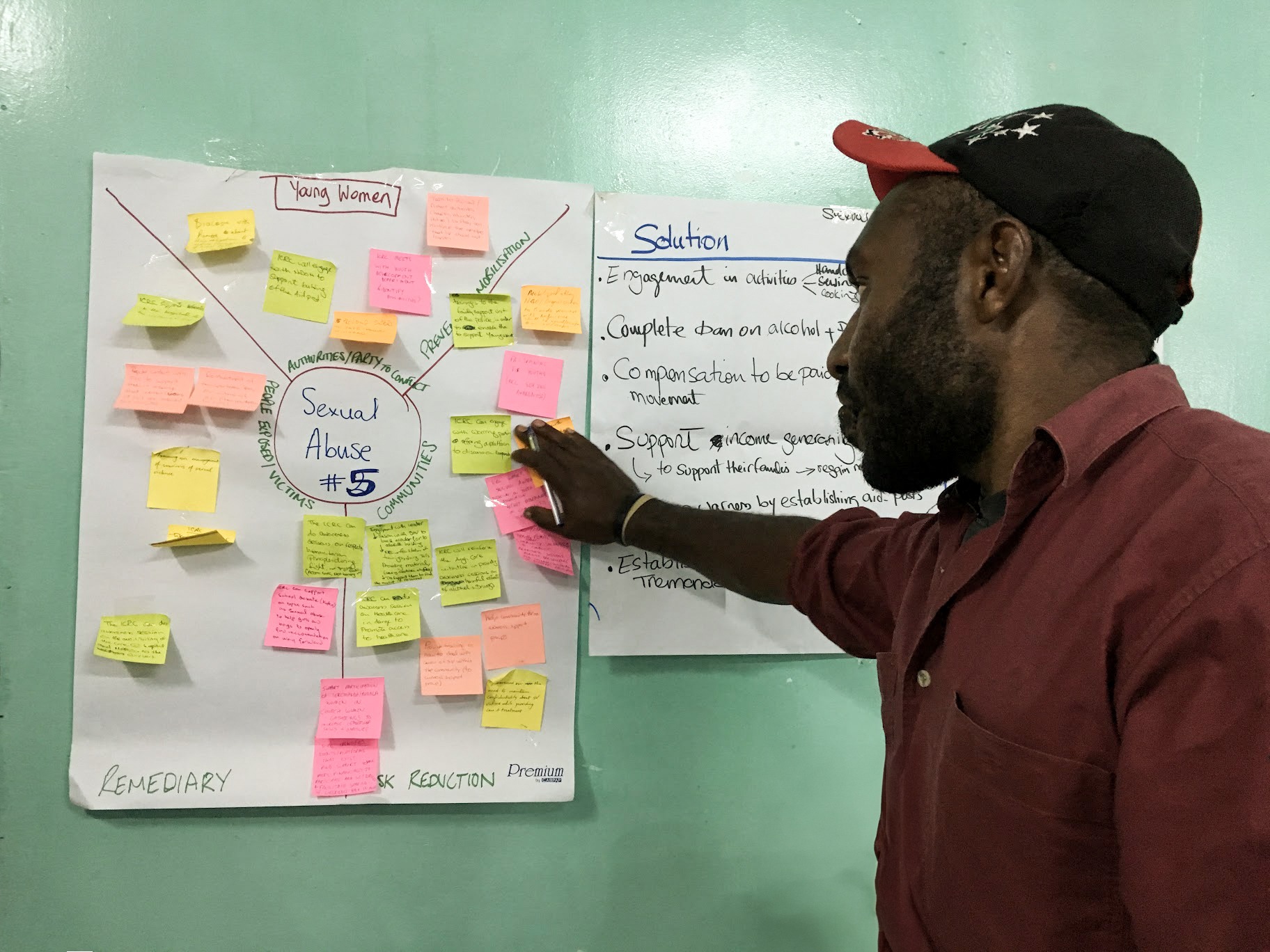
In humanitarian contexts, the People Centered Approach begins with a fundamental question: „What puts people at risk and how can we reduce it?”
Rather than starting from needs People Centered tarts with threats — to safety, dignity and well-being. Protection is not a sector but a foundation.

People Centered helps actors:

  • Understand how risks, power and access intersect.
  • Link protection to essential services (e.g., shelter, education, documentation).
  • Build solutions that prevent harm, not just respond to it.
  • Engage duty-bearers while strengthening community leadership.

The result is a joined-up approach that sees protection as both a lens and an outcome — embedded in the design of programs from the start.

Examples of Risk Reduction Activities

Community-led actions to reduce threats
and strengthen protection

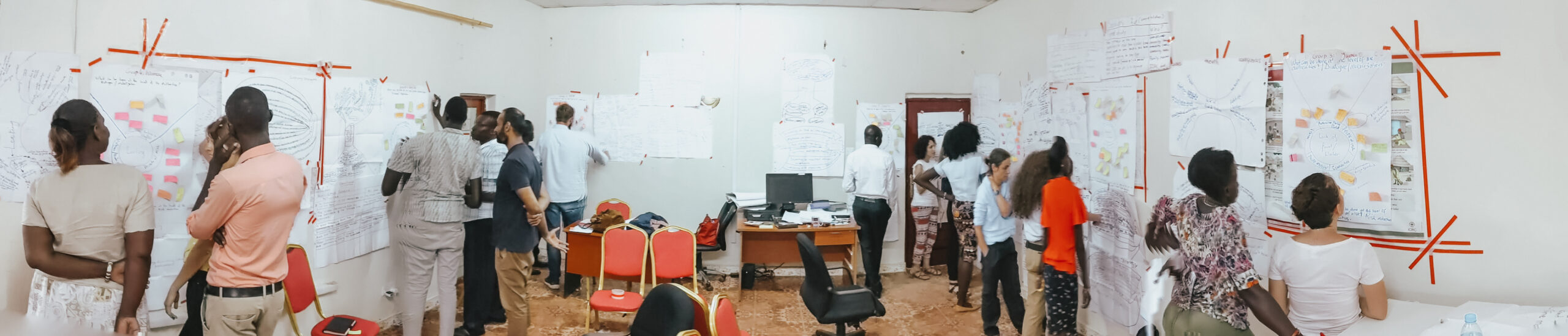
These real-world examples illustrate how People Centered processes translate into practical, risk-reduction strategies. All were identified and shaped by communities themselves based on their lived experience, protection priorities and local context.
Examples of Risk Reduction Activities
  • Re-opening community spaces and women’s centers to build solidarity and reduce isolation.
  • Installing solar lights in areas with risks of GBV or other violence.
  • Organizing collective transportation or safe passage initiatives for schoolchildren or workers.
  • Setting up referral mechanisms for survivors of violence or those in distress.
  • Facilitating dialogue with local authorities to remove checkpoints or reduce harassment.
  • Supporting school attendance through protective accompaniment.
  • Creating safe recreational spaces to reduce recruitment risks or abuse.
  • Providing access to civil documentation to reduce statelessness or exclusion.
  • Training youth in civic engagement and protection monitoring.
  • Setting up women-led alert networks or safe houses.
  • Providing sexual and reproductive health information in a trusted setting.
  • Supporting livelihoods that reduce dependency and vulnerability to exploitation.
  • Organizing mobile legal aid sessions.
  • Facilitating birth registration and documentation drives.
  • Addressing housing, land and property issues collaboratively with local actors.
  • Supporting IDPs in negotiating rental agreements or housing rights.
  • Facilitating community integration activities with host populations.
  • Identifying and addressing barriers to services due to status or identity.

People Centered is about shifting power by putting people at the centre of solutions, co-creating change with those closest to the issue.