PCA IN ACTION
From participation to protection outcomes
Applied Across Contexts and Communities
Since 2015, the People-Centered Approach has supported communities, local actors, humanitarian organisations and academic institutions across diverse contexts and challenges.
From participatory protection analysis to collective planning and community-led risk reduction strategies, the approach has been applied across humanitarian, displacement and transitional settings to strengthen locally grounded and collectively owned responses.
Due to the sensitive nature of some contexts and confidentiality considerations, specific organisations and locations are not disclosed.
Over 50 workshops and processes conducted across 22 countries.
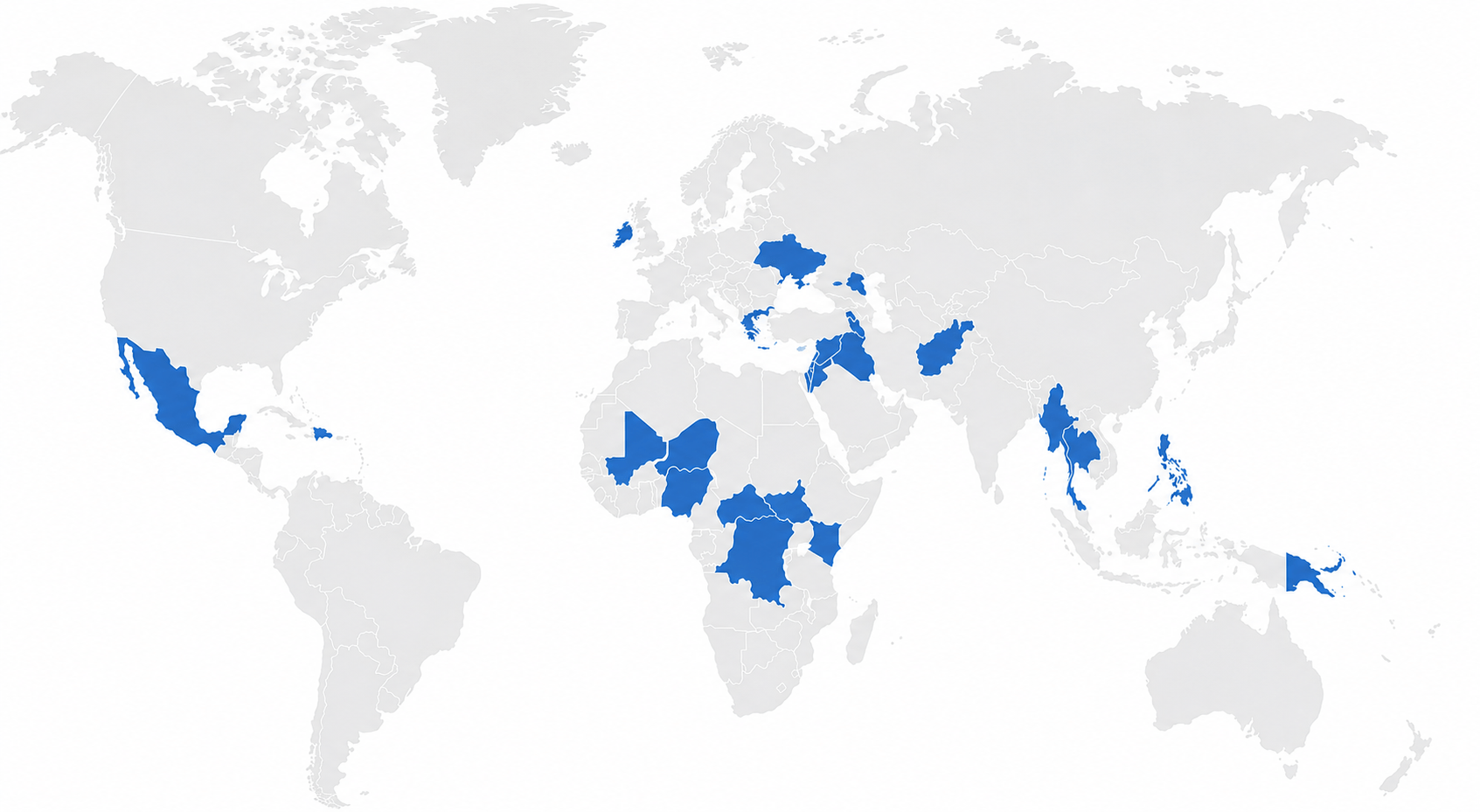
50+
Workshops & processes conducted
22
Countries
1,700+
Community members engaged
700+
Field staff trained
60+
Local and international organisations involved
Field staff trained came from across sectors — protection, health, economic security, water and habitation, mental health, legal, AAP and others — reflecting the cross-sectoral nature of the approach.
Across these processes, over 60 local and international organisations worked together — pooling expertise, mandates and capacities in support of collectively owned responses.
The approach in context
The People-Centered Approach supports communities, local actors and organisations to collectively analyse threats, identify priorities and design responses grounded in people’s lived experiences, capacities and realities.
By starting from how risks are experienced and managed in everyday life, the approach helps identify a broader range of protection strategies aimed at reducing exposure to harm, strengthening existing capacities and supporting those already affected.
These strategies may include community-led initiatives, but also advocacy, service delivery, dialogue with authorities and weapon bearers, humanitarian mediation, and efforts to promote respect for rights and international humanitarian law. Rather than replacing traditional protection activities, the approach helps ensure they are informed by the realities, priorities and capacities of the people concerned.
Across contexts, this has contributed to community dialogue and cohesion efforts, humanitarian mediation, safer access to services and livelihoods, negotiated movement strategies, women-led protection mechanisms, youth mobilisation, local advocacy, and collective actions to reduce exposure to violence, exclusion and exploitation.
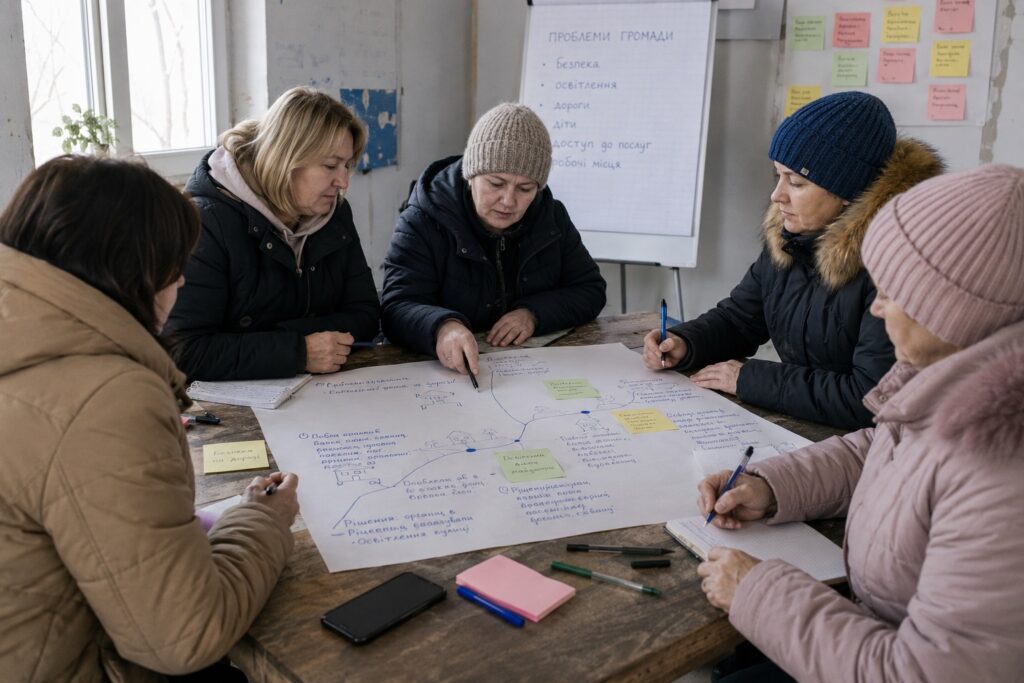
Community-led advocacy and negotiated access
In a conflict-affected area, the suspension of public transport left many residents unable to safely access healthcare, markets and essential services. While a humanitarian organisation initially explored alternative transport solutions, community members identified a different priority: restoring the public bus service.
Supported through a participatory process, community representatives engaged with public authorities and local armed actors to advocate for the resumption of transport services and secure safe passage. The service was eventually restored, reducing exposure to risks and providing a more sustainable solution than external assistance alone.
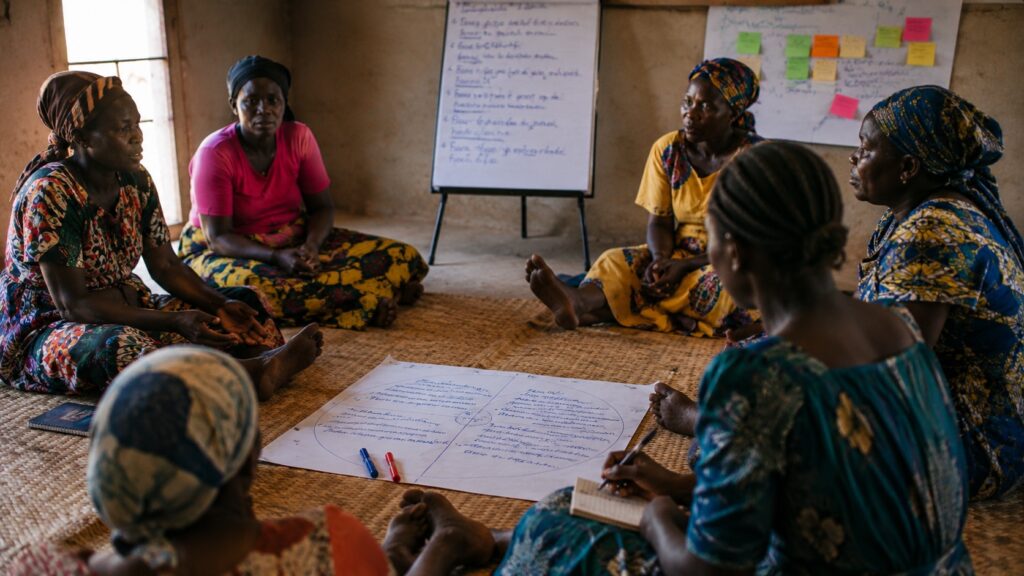
Community participation in protection dialogue
During a workshop, women identified sexual violence while collecting firewood as one of their main protection concerns. While some humanitarian actors proposed addressing the issue through confidential dialogue with armed actors, the women emphasised that they already had direct communication channels and wanted support to strengthen their own engagement efforts.
This feedback prompted a rethinking of traditional protection approaches and contributed to the development of initiatives that more actively involved affected communities in protection dialogue and humanitarian mediation processes.
Protection through safer access to livelihoods
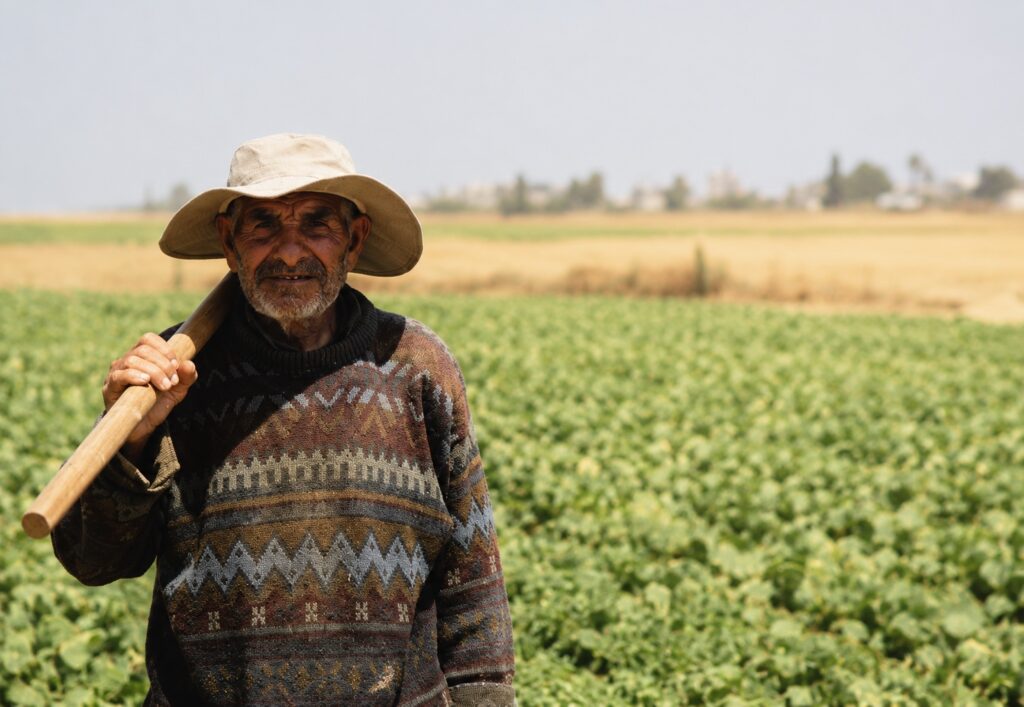
Farmers living near disputed areas identified food insecurity as their primary concern. Further analysis revealed that the root cause was not agricultural production itself, but the risks associated with accessing their fields due to insecurity and the threat of violence.
Working alongside the community, humanitarian actors combined practical support measures with dialogue and negotiated access arrangements, helping farmers safely resume livelihood activities while reducing their exposure to harm.
What participants say
„It is the first time that we, as grandmothers, have been invited to such a discussion. We feel that our contribution is important too.”
„Being able to choose what we wanted to discuss and how we thought we should be supported made us feel part of the process.”
„Thank you for sharing your constraints and adapting your plans with us. We understand your perspective better and feel genuinely listened to.”
„After 12 years in Water and Habitat, it was the first time I participated in a protection discussion. I realised that safe access to water was not only a technical issue – it was directly linked to people’s safety.”
„The process helped us identify needs that fell outside our mandate but were critical for the community. By partnering with organisations with complementary expertise, we were able to support a response that none of us could have delivered alone.”
„The People-Centered Approach changed the conversation from 'What can we provide?’ to 'What will actually make people safer?'”
Across contexts, similar lessons emerge
While every context is different, several patterns consistently emerge. Communities often possess a deep understanding of the risks they face, the actors who influence their safety and the strategies already in place to manage threats. When given the space to analyse, prioritise and participate in decision-making, they frequently identify solutions that are more sustainable, locally grounded and better aligned with their realities.
Across contexts, the People-Centered Approach has helped strengthen participation, improve coordination, uncover overlooked protection risks and support responses that build on existing capacities rather than replacing them.