A practical methodology for collective, locally grounded protection strategies.
Protection is the starting point. Participation is the mechanism. Collective action is the response.
The People-Centered Approach (PCA)
The People-Centered Approach starts with people’s own understanding of safety and brings communities and actors together to analyse risks, identify priorities and develop collective responses.
Rather than treating communities solely as beneficiaries or sources of information, PCA positions them as central actors in analysis, prioritisation and collective decision-making.
Applied across humanitarian and displacement contexts, the approach combines participatory analysis, collective planning and collaboration grounded in comparative advantage to support more coordinated, locally grounded and collectively owned protection strategies.
Protection as a starting point
What helps people stay safe?
The People-Centered Approach starts from a simple question: What puts people at risk, and how can those risks be reduced?
Rather than starting from predefined sectors, projects or solutions, the approach begins with people’s own understanding of safety, dignity and well-being.
Communities and actors jointly analyse threats, vulnerabilities, capacities and existing coping strategies to identify practical actions that help reduce risk and strengthen safety.
The process supports communities and actors in
Shared Analysis. Shared Decisions.
Shared Action.
Communities, local actors and external organisations often bring different perspectives, knowledge and capacities. Yet opportunities to jointly analyse realities, identify priorities and shape decisions remain limited.
The People-Centered Approach was developed to create structured spaces where communities and actors work together to understand risks, explore options and build collective responses.
By supporting shared analysis, collective planning and community validation, the approach helps strengthen ownership, accountability and more coordinated action around priorities identified by communities themselves.
The result is not simply greater participation, but stronger collaboration, clearer priorities and protection strategies that are both locally grounded and collectively owned.
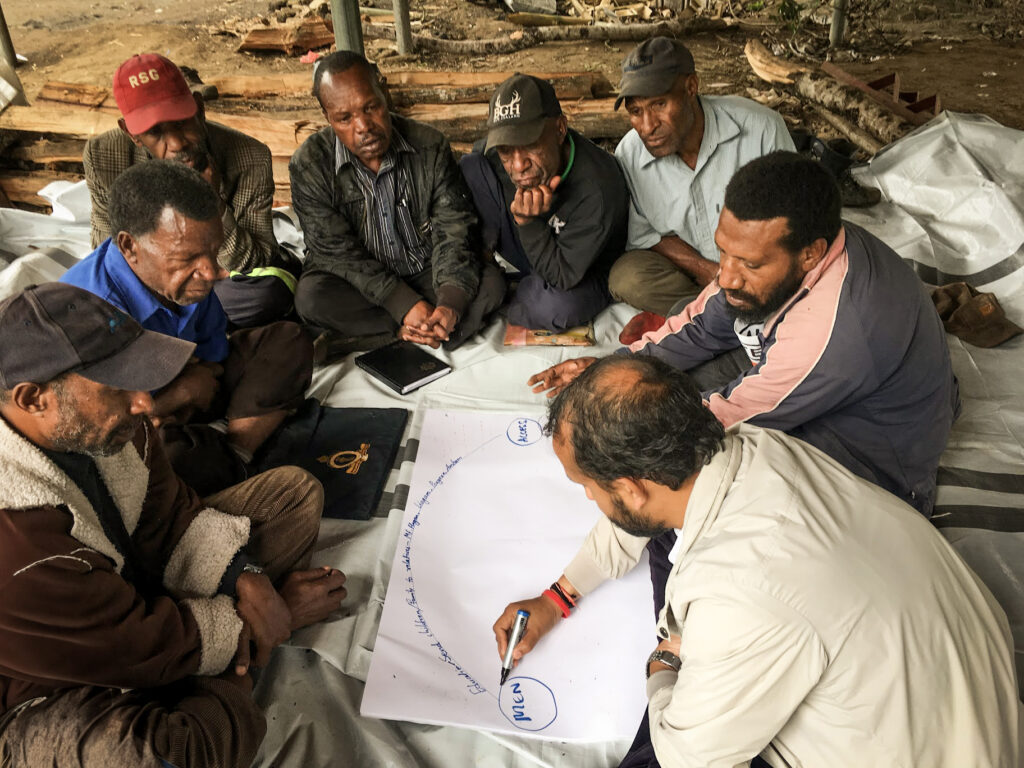
What grounds the approach
01
Protection-centred analysis
The process starts from people’s own understanding of safety, risk and protection, focusing on what puts people at risk and how those risks can be reduced.
02
Participation beyond consultation
Communities are not only sources of information but active participants in analysing realities, identifying priorities and shaping responses.
03
Shared decision-making and community validation
Communities contribute to defining priorities and validating plans of action, strengthening ownership, accountability and legitimacy.
04
Comparative advantage
Actors contribute according to their capacities, positioning and added value, helping build more coherent and effective collective responses.
05
Collective action
Communities and actors work together around shared priorities, moving beyond fragmented approaches towards more strategic collaboration.
From analysis to collective action
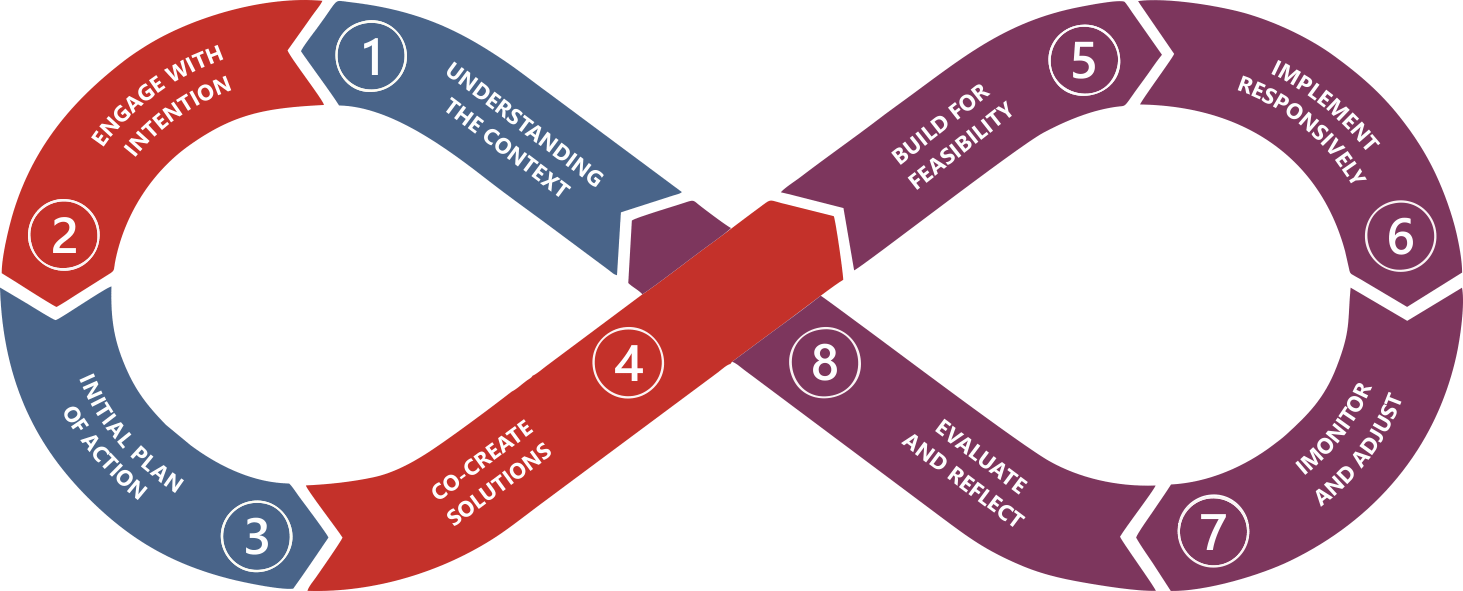
The People-Centered Approach follows an iterative, community-driven process that brings communities and actors together to understand risks, identify priorities and develop collective responses.
While inspired by the traditional project cycle, the roadmap expands the early phases of analysis, engagement and planning to create space for meaningful participation, shared decision-making and community validation.
Rather than designing solutions for communities, the process supports communities and actors in analysing realities, shaping priorities and building responses together.
Explore how People Centered can support your organisation or network
in putting the approach into practice.